





















Hotel Massage in Pasay: Check Guest Policies Before Booking
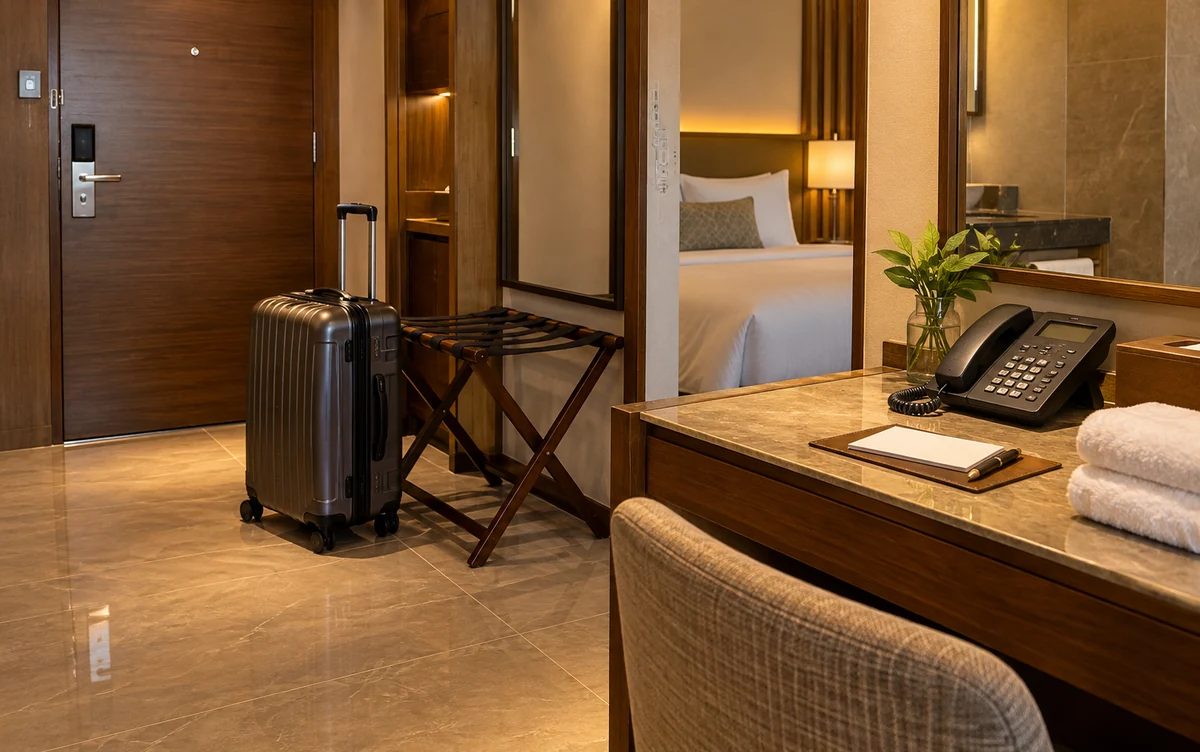
Before arranging an outside massage therapist to visit a hotel in Pasay, ask the hotel whether that service is permitted. Your room reservation does not automatically authorize every outside provider to enter the property. Confirming permission first helps avoid a canceled appointment, a waiting therapist, and a difficult conversation at reception.
This guide is for Filipino guests considering a professional, nonsexual wellness appointment during a hotel stay. It explains how to coordinate with the property and provider without assuming that all hotels follow the same visitor rules. It does not identify businesses, promise access, or recommend ways around a hotel's requirements.
Ask the property before contacting a provider
Start with the hotel's official guest-service channel. Explain that you are considering an outside professional wellness provider and ask whether visits of that kind are allowed. If the hotel offers an in-house service, you can ask about that option separately. The existence of an in-house spa does not tell you what the outside-provider policy is.
Request the details that apply to your stay: permitted visiting hours, registration requirements, the authorized entrance, and whether a guest must meet the visitor in the lobby. Policies may differ by property and booking arrangement. A general answer from another hotel or a travel forum cannot confirm your own property's rules.
If the response is unclear, ask who can confirm it rather than booking on an assumption. Keep the reply with your reservation information. If outside providers are not permitted, choose an allowed alternative or a branch appointment. The practical goal is a service that fits the property rules, not an argument over access.
Confirm who can authorize the visit
The person staying in the room may not always be the person authorized to change every aspect of the reservation. If you are a companion, a group traveler, or a guest under someone else's booking, ask who needs to coordinate the request. Give the hotel accurate information about your role.
For a company-paid stay, check whether your employer's booking conditions affect the arrangement. That is separate from hotel permission and separate again from whether the expense is reimbursable. Avoid assuming that approval for one issue answers all three. Ask the relevant party only for the information within its responsibility.
Then identify one person to handle logistics. Several companions sending different instructions can confuse the hotel and provider. A single coordinator can confirm the appointment details, while the actual client still makes their own decisions about the service. Keep those responsibilities clear without collecting unnecessary personal information from everyone involved.
Tell the provider the actual access requirements
Once permission is confirmed, share the relevant visitor process with the provider. Explain any registration deadline, identification requirement, lobby meeting arrangement, or equipment restriction the hotel has stated. Ask whether the provider can comply before confirming a service that requires travel to the property.
Do not promise that reception will waive a requirement or accept an unregistered replacement. If the assigned therapist changes, follow the hotel's process for updating the visitor details. It is better to pause and clarify than to send someone to the entrance with an approval that does not match their information.
For general expectations about respectful communication, Spakol.net has a massage etiquette guide. However, access instructions should come from the hotel itself. The provider's familiarity with the area does not replace the property's current requirements for your particular stay.
Check whether the room supports the setup
Ask the provider what equipment it normally uses and how much working space it requires. A hotel room that is comfortable for sleeping may not have enough clear floor space for a portable table. Do not assume the provider can work safely around luggage, furniture, or a narrow passage.
Describe the available space accurately. If necessary, ask whether a different room arrangement or an in-house service would be more suitable. Do not move heavy hotel furniture or use property equipment in ways the hotel has not approved. A professional appointment should fit the available setting without creating a new problem.
Also confirm who supplies towels, linens, and products. Hotel items are subject to the property's own rules, and a provider may have its own supply requirements. Ask before using anything that might require permission or create an unexpected charge. Clear supply arrangements prevent assumptions on both sides.
Plan timing around arrival and departure
Leave enough time after check-in to confirm the room and coordinate the visit. A delayed room release can affect an appointment arranged too close to arrival. Similarly, do not schedule so close to checkout that a small delay would force an incomplete session or a last-minute extension request.
Ask whether the appointment time means arrival at the hotel, completion of visitor registration, or the start of hands-on service. These are separate stages. Confirm the provider's waiting policy and what happens if the hotel takes longer than expected to process the visitor. Do not rely on an invented standard entry time.
Keep your phone available near the arrival window and know where you are expected to meet the therapist. If you are returning from an activity elsewhere in Pasay, allow a realistic travel margin. When plans change, contact both parties promptly so neither is working from an outdated schedule.
Keep the booking and payment terms clear
Request the complete quote in pesos, including any disclosed travel charge and optional additions you have accepted. Confirm the service, hands-on duration, deposit, remaining balance, and cancellation terms. Hotel permission and the provider's financial agreement are separate matters, so make sure both are clear.
Ask what happens if access cannot proceed despite your preparation. The answer may depend on the provider's terms and the reason for the problem. Do not assume that the hotel will pay a cancellation charge or that the provider must absorb all waiting time. Discuss the scenario before paying a deposit.
Compare communication quality as well as the quoted price. The site's article about therapist qualities offers prompts for evaluating professional conduct. A clear provider should be able to explain its arrangements without asking you to conceal the appointment or disregard property rules.
Protect privacy while staying reachable
Use the provider's established booking channel and give room-specific details only when they are needed for the approved visit. Avoid posting your room number or complete reservation information in public comments. A general location can usually support the initial inquiry, while final access details belong in an appropriate private exchange.
If you share the room, agree on the arrangement with your companion. They should know which space will be used and whether they need an alternative place to spend the appointment period. A shared booking does not remove each person's right to make their own choices about privacy and participation.
Finally, distinguish information practices between websites, the hotel, and the actual provider. Spakol.net's privacy policy concerns its own site; another business may have different practices. Check the relevant terms and keep your confirmation accessible. With permission, space, timing, and price agreed, the appointment becomes much easier to manage.
Coordinate a hotel appointment with a single written plan
Imagine you are staying in Pasay for an event and hope to arrange an appointment afterward. Your first task is to confirm the property’s outside-provider policy. Once permission is clear, ask the hotel which arrival details need to be recorded and when. Then check whether the provider can meet those conditions. Reserve only after both sides understand the same arrangement.
Use separate confirmations for separate responsibilities. The hotel confirms access and permitted use of the room. The provider confirms the service, equipment, price, and schedule. Neither reply should be treated as approval from the other party. Keeping both messages available makes it easier to resolve a question at reception without expecting staff to reconstruct several unrelated conversations.
A useful planning note names the client coordinating the visit, the approved entrance, the expected arrival window, and the agreed service duration. Include a practical contact method for the arrival period. Do not post this note in a public review, shared travel group, or social media comment when it contains room-specific information or identifies someone else’s movements.
Leave enough space around your hotel schedule
Check what you have actually confirmed about the room. A reservation date alone does not establish when you can enter, whether a room change is pending, or how long you may remain. Plan the appointment after those questions are settled. This reduces the chance of paying for a visit that depends on an accommodation arrangement still being discussed.
If an event finish time is uncertain, tell the provider before selecting a fixed appointment. Explain the practical uncertainty without asking for an unlimited hold on staff availability. Ask which booking and rescheduling options it offers. You can then compare the terms with your schedule rather than assuming a late return will be accommodated automatically.
Similarly, keep the end of the complete visit clear of checkout or another firm commitment. Equipment packing, changing, and payment can extend beyond the hands-on minutes. Ask about the full sequence rather than inserting an arbitrary buffer that the provider has not discussed. An appointment is easier to manage when its final stage fits your hotel plans.
Inspect the room without rearranging hotel property
Before confirming a portable-table setup, identify a clear area and a route from the door. Consider luggage, bedside furniture, and the space people need to move around. Tell the provider what is available. If the setup cannot fit as described, ask about a permitted alternative instead of moving heavy furniture or promising space you have not checked.
Ask the hotel before using property linens, extra towels, or other items for an outside service. A supply request and permission to use an item for that purpose are different questions. Likewise, ask the provider which supplies it brings. Clear answers help you avoid preparing duplicate items or discovering that each party expected the other to supply them.
Discuss privacy with any person sharing the room. Agree on where they will spend the appointment period and when they can return. They do not have to participate simply because they share the accommodation. At the same time, their access to a shared room should be considered before the booking becomes a fixed commitment.
Handle a changed arrangement before the visit starts
If the hotel or provider reports a change, identify what needs reconfirmation. A different therapist may require updated visitor details; a different room may have another layout. Contact the relevant party instead of forwarding an outdated approval. Ask whether the service can still proceed under the conditions everyone accepted and what happens if it cannot.
When the visitor arrives, complete the agreed process openly and keep the service expectations clear. If an essential condition is missing, pause before setup. You can ask for an explanation or consider another option without creating pressure on reception staff or the therapist. A workable hotel appointment depends on permission, preparation, and a booking that still matches the actual circumstances.
Your hotel coordination notes
- Ask the property whether the outside service is permitted.
- Identify who can authorize and coordinate the visit.
- Give the provider the hotel's actual access requirements.
- Confirm room space, equipment, supplies, and realistic timing.
- Keep the hotel permission and provider confirmation together.
Frequently Asked Questions
Can I use a hotel gift certificate for an outside provider?
Usually that depends entirely on the certificate's terms. Ask the issuer what it covers. Do not assume a hotel credit can pay a separate business.
Can hotel loyalty points pay for an outside appointment?
Ask the loyalty program and hotel which purchases are eligible. Do not assume points or accommodation benefits apply to a separate provider. Confirm payment directly before making the outside reservation.
Can a visitor wait in the lobby before registration opens?
Ask the hotel. Lobby access and visitor waiting arrangements are property-specific, so the provider should not travel on the assumption that waiting inside is permitted.
May I charge an outside service to my room bill?
Only if the hotel and provider explicitly support that arrangement. Otherwise, keep the outside booking payment separate and confirm the accepted method directly.
Should I book before my flight lands?
You can make an inquiry, but consider delays and the provider's cancellation terms before reserving a fixed slot. Confirm the hotel permission and realistic arrival schedule first.

Try These Massage Packages
HOME + HOTEL SERVICE
(P1,300 + Fare/Transpo)
1 hour and 45 minutes
Whole Body Massage
Body Scrub + Wash
PRIMERO™ Massage Sequence
ALTERRA PACKAGE
(P2,500 + Fare/Transpo)
1 hour + 45 minutes
Whole Body Massage
ALTERRA™ Massage Sequence
Exfoliating Body Scrub + Body Wash
Signature Sensual Massage +
EUFORIA PACKAGE
(P2,750 + Fare/Transpo)
2 hours
Whole Body Massage
EUFORIA™ Massage Sequence
Exfoliating Body Scrub + Body Wash
Signature Sensual Massage ++
INFERNO PACKAGE
(P3,000 + Fare/Transpo)
2 hours + 15 minutes
Whole Body Massage
INFERNO™ Massage Sequence
Exfoliating Body Scrub + Body Wash
Signature Sensual Massage +++
Lingam or Yoni