





















Massage Booking Deposits: Verify the Request Before You Pay
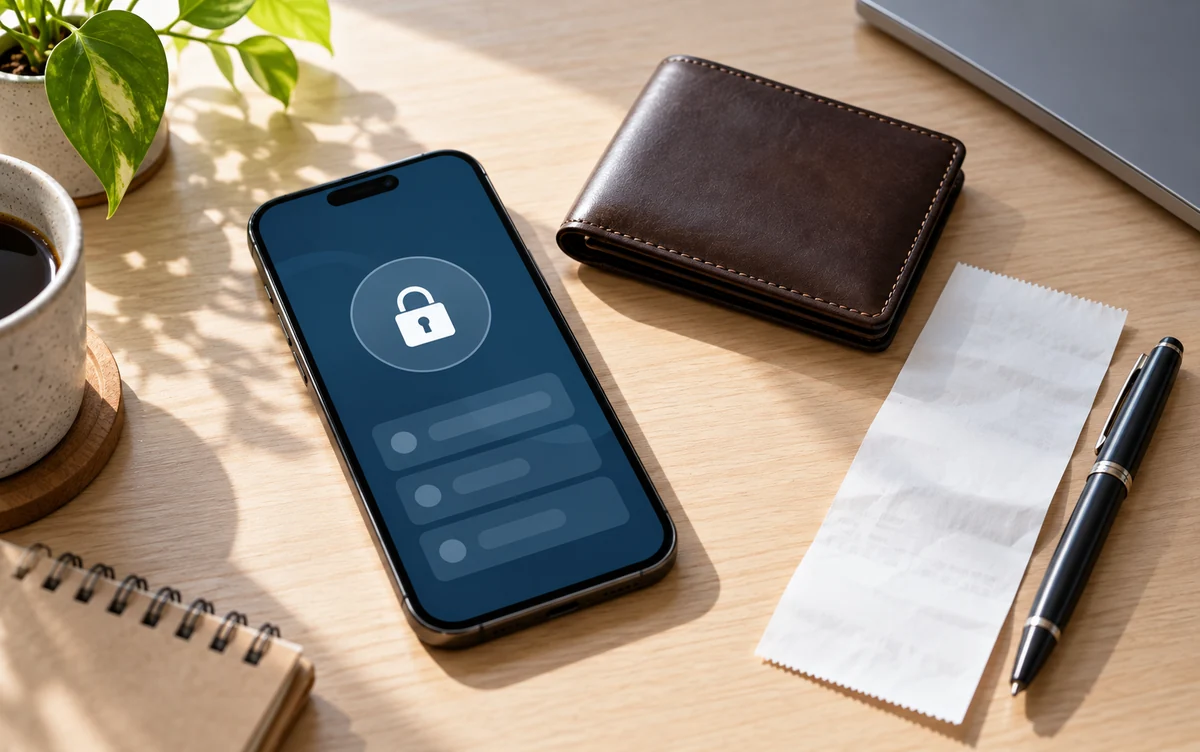
A deposit request is a reason to check the booking details, not an automatic sign that a business is trustworthy or untrustworthy. For Filipino clients arranging professional wellness appointments online, the useful question is whether the request comes from the provider you intended to contact and matches clearly explained terms.
This guide covers practical verification before transferring money. It does not promise that a checklist can detect every scam or determine your legal rights after a dispute. The aim is to help you slow down, confirm the recipient and conditions, and keep a clear record of an ordinary service booking.
Verify the business through an established channel
Start with the channel you used to find the business. Check that the name, branch, and contact details are consistent across the information available to you. Similar names and copied profile pictures can create confusion. A familiar logo by itself does not establish that an account represents the provider.
If someone contacts you unexpectedly, verify the request using a channel you already know belongs to the business. Avoid relying only on a new number or link supplied in the same message. Ask the established contact whether the account is handling your booking and whether the payment request is genuine.
Do not assume that a public group, a comment reply, or a forwarded screenshot confirms identity. These can be introductions, but your payment should follow a booking arrangement you understand. If the business cannot confirm who is collecting the deposit, pause rather than treating urgency as a substitute for verification.
Obtain the actual deposit terms
Ask what the deposit reserves and how it is credited toward the total. The confirmation should state the chosen service, appointment date and time or arrival window, complete price, deposit amount, and remaining balance. Without that information, it can be difficult to know what you are paying for.
Request the cancellation and rescheduling conditions before sending money. Ask about deadlines, the process for requesting a change, and what happens if the provider cancels. Do not assume that the word deposit automatically means refundable, nonrefundable, or transferable. The business should explain the terms it is offering.
Keep optional purchases separate. A deposit for one service should not silently become payment for an upgrade or another appointment. If the arrangement changes, ask for an updated confirmation showing how the earlier payment is being applied. Clear arithmetic helps prevent a misunderstanding from becoming a larger dispute.
Match the recipient to the confirmed instruction
Before transferring, compare the recipient details shown in your payment application with the provider’s confirmed instruction. If the name or account differs, ask for an explanation through the established channel. A difference is something to clarify, not proof on its own that fraud has occurred.
Pay particular attention when the destination changes shortly before payment. Ask whether the original booking contact authorized the change. Do not assume the newest message is automatically correct, especially if it comes from a different account or asks you to disregard earlier instructions without explanation.
If you cannot verify the recipient and terms, do not rush the transfer to hold an uncertain slot. You can ask for another payment arrangement or postpone the booking. A missed appointment opportunity is easier to assess than a payment made to someone whose role in the transaction remains unclear.
Keep financial information limited
An ordinary booking confirmation should not require your banking password, one-time code, or complete account access. Do not share those details with a person claiming to confirm payment. Use your own payment application and its normal process rather than handing account control to the booking contact.
If proof of payment is requested, provide only the information needed to identify the transaction. A screenshot may contain an account balance, unrelated transactions, or other personal details. Review it before sending and use a suitable method that does not expose unnecessary information. Retain your original transaction record privately.
Keep the privacy practices of different services separate. Spakol.net’s privacy policy concerns its own website; a provider or payment service may have different terms. Read the relevant information for the actual party receiving your details rather than assuming one site’s policy applies everywhere.
Notice pressure without making unsupported accusations
Urgent language can make it harder to check a request carefully. A business may have a real booking deadline, but you can still ask for clear terms and verified payment instructions. If the contact refuses to explain basic details and demands immediate payment, consider whether you are comfortable proceeding.
Similarly, pause if a supposed refund requires a new payment, a secret code, or access to your device. Contact the provider through the established channel and use your payment service’s official support route where appropriate. Do not follow a stranger’s instructions simply because they claim to be solving the problem.
Avoid publishing accusations based on a single confusing message. Save the relevant records and seek clarification. Your immediate priority is deciding whether to proceed with the transaction, not identifying the sender publicly. A practical, documented response is more useful than a rushed argument in a comment thread.
Save a record that explains the agreement
Keep the booking confirmation, deposit terms, recipient instruction, transaction reference, and any agreed changes together. A clear record should explain the purchase without requiring you to reconstruct dozens of unrelated messages. Note the date and channel of important confirmations when that helps maintain context.
After payment, ask the business to acknowledge the amount received and remaining balance. If the acknowledgment differs from your transaction record, clarify it promptly. Do not automatically send a second payment because a message says the first one has not arrived; first check the status through your own payment service.
Professional communication matters here as much as it does during the appointment. The site’s article on therapist qualities offers broader prompts, while your booking records establish the particular arrangement. Keep the service agreement clear and separate from any promotional promises that were never confirmed.
Know what to do when the arrangement is uncertain
If the service, time, recipient, or terms remain unclear, ask one direct question at a time. You might request the complete price, then confirmation that the stated account is authorized, then the cancellation conditions. A short sequence of concrete questions can resolve confusion more effectively than a long exchange of assumptions.
When you decide to cancel or request a change, follow the agreed process and retain the acknowledgment. If a dispute remains, contact the relevant business or payment provider through verified support channels. This article cannot determine the outcome or replace advice about your specific circumstances.
For ordinary client-provider expectations, Spakol.net’s massage etiquette guide is another reference. Courtesy and verification can coexist. A clear deposit arrangement identifies who receives the payment, what it reserves, how it affects the balance, and which conditions apply if plans change.
Check a deposit request in a clear order
Start with the appointment, then the provider’s instruction, and finally the payment destination. Confirm the service, date, duration, and full total before deciding whether the deposit amount makes sense within that offer. Next, verify that the payment instruction came through the established business channel. Only then compare the recipient details shown by your payment application with the confirmed instruction.
Suppose a hypothetical booking costs ₱1,500 and requires a ₱500 advance payment credited toward the service. Ask the provider to confirm a remaining balance of ₱1,000. These figures are examples rather than current spa prices. The useful point is the relationship between the advance payment and the agreed total, which should remain understandable in the booking record.
If the provider uses a payment recipient whose name differs from its public trading name, ask for an explanation through the established channel. A difference alone does not prove wrongdoing, but it should not remain unexplained when you are being asked to pay. Keep the reply with the instruction so you can understand why that recipient was used.
Pause when payment details change
A last-minute message may provide a different account, wallet, or payment link. Before acting, verify the change through the channel you already established with the business. Do not treat urgency, a familiar profile photograph, or possession of some booking details as sufficient confirmation. Ask which earlier instruction is being replaced and which amount is now requested.
Keep verification separate from the new instruction itself. For example, returning to the original conversation or established business contact can help you ask about the change without relying entirely on a newly supplied number. Describe the discrepancy plainly. You do not need to accuse anyone to request consistent payment details.
If the recipient still cannot be confirmed, leave the payment unsent while you seek clarification. A service slot may have a genuine payment deadline, but that does not answer an identity question. Decide whether the booking remains practical without sending money merely to relieve pressure. Record the unresolved point so your next message asks a specific question.
Keep evidence that connects the payment and service
Save the confirmed offer, payment instruction, transaction reference, and provider acknowledgment together. Each item answers a different question: what you booked, where you were asked to pay, what transfer you made, and what the provider recorded. A single screenshot rarely supplies the whole story. Keep readable copies without collecting unnecessary personal or financial information from anyone else.
When sending proof of payment, check what is visible. A reference, amount, and transaction date may be relevant, while unrelated balances, other transfers, or private contact details may not be. Share only what the provider needs to match the payment. Never provide a banking password or one-time authentication code as part of an ordinary booking conversation.
Ask for acknowledgment linked to your appointment. A useful reply confirms the amount received and how it is applied. If the acknowledgment mentions another client or date, request a correction promptly. Resolving a clerical mismatch before the appointment is easier than arriving with two parties working from different records.
Address an uncertain or disputed payment practically
If a transfer appears unsuccessful, check the transaction status within your payment service before sending again. Ask the provider what it has received and retain the original reference. A delay in acknowledgment does not establish that a second transfer is needed. Avoid making duplicate payments while the first transaction remains unclear.
If the booking cannot proceed, refer to the agreed terms and request a written explanation of the proposed next step. Contact the relevant payment service through its own official support channel when you need help with a transaction. Do not send an additional transfer simply because someone claims it is required to unlock an earlier payment or release a refund.
One final check before sending
- Match the appointment and total to the latest confirmation.
- Confirm the recipient through the established business channel.
- Check the amount and payment status in your own application.
- Save the transaction reference and request acknowledgment.
Use this order each time you book with a different provider. Familiarity with a payment app does not resolve questions about the recipient or the service. Keep the purchase and transfer connected in your records.
Your deposit verification notes
- Verify the booking contact through an established business channel.
- Match the recipient to the confirmed payment instruction.
- Record what the deposit reserves and the remaining balance.
- Read change and cancellation terms before transferring money.
- Keep your transaction reference without exposing unrelated financial information.
Frequently Asked Questions
Can another person pay the deposit on my behalf?
Ask the provider to record both the payer and intended client correctly. Give the payer the confirmed instructions and agree on who will retain the transaction reference.
Can I pay using a foreign-issued card?
Ask which card types and payment channels the provider accepts. Confirm the billing currency and check possible issuer charges separately before choosing that payment method.
Can a deposit cover two separate appointments?
Only if the provider agrees. Ask for a breakdown showing how the payment is allocated to each service and what balance remains for each booking.
Can a booking agent issue the payment acknowledgment?
Ask which party receives the payment and which party issues the acknowledgment. Keep the transaction and appointment references linked so you can direct later questions to the correct business.
Can I switch the booking to a gift recipient after paying?
Ask whether the terms allow a change of client. Confirm the revised name, service eligibility, and any price difference before assuming the deposit transfers automatically.

Try These Massage Packages
HOME + HOTEL SERVICE
(P1,300 + Fare/Transpo)
1 hour and 45 minutes
Whole Body Massage
Body Scrub + Wash
PRIMERO™ Massage Sequence
ALTERRA PACKAGE
(P2,500 + Fare/Transpo)
1 hour + 45 minutes
Whole Body Massage
ALTERRA™ Massage Sequence
Exfoliating Body Scrub + Body Wash
Signature Sensual Massage +
EUFORIA PACKAGE
(P2,750 + Fare/Transpo)
2 hours
Whole Body Massage
EUFORIA™ Massage Sequence
Exfoliating Body Scrub + Body Wash
Signature Sensual Massage ++
INFERNO PACKAGE
(P3,000 + Fare/Transpo)
2 hours + 15 minutes
Whole Body Massage
INFERNO™ Massage Sequence
Exfoliating Body Scrub + Body Wash
Signature Sensual Massage +++
Lingam or Yoni